

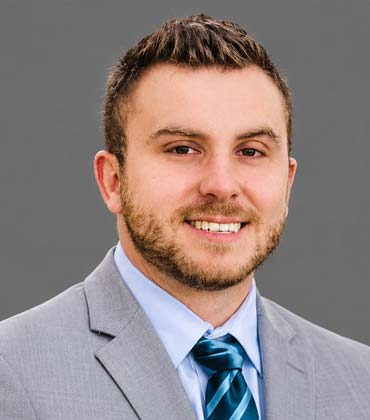
Tanner Bozeman
Understanding People Before Closing Deals
Starting out in HR taught me early that business problems are almost always people problems first. You spend time learning how to read between the lines, navigate different personalities and figure out what actually motivates someone. Moving into business development, that mindset keeps you from treating deals like quick transactions. Sustainable growth doesn't come from pushing a generic pitch deck, it comes from understanding the internal pressures, goals and organizational dynamics the person across the table is facing. When a partner realizes you're listening to solve their problem rather than just trying to close a deal, trust happens fast.
Turning Sponsorships into Lasting Partnerships
I keep it grounded in clean data, direct alignment and operational execution. In sports and entertainment, it’s easy to throw out vanity metrics like total gate attendance, but real value comes from connecting an asset directly to what a business actually needs. Whether it's high-traffic tournament signage, concert concourses or long-term naming rights, I look at where a company is trying to grow and build a tailored activation around that. Once a contract is signed, the real work starts. Over-delivering on execution and proof of performance during the event is what turns a one-off deal into a multi-year renewal.
A partnership isn’t proven when you sign the contract, it’s proven when things get chaotic on a tournament weekend or concert night and your team delivers anyway.
Aligning Stakeholders Around Shared Value
In any deal, you rarely have just one stakeholder. An executive might care most about community goodwill and high-level prestige, while their marketing director needs measurable lead generation and concrete foot traffic. Having that people-first background lets me diagnose those internal priorities quickly. My goal is always to structure an agreement so every decision-maker walks away with a clear win. When you make your direct point of contact look exceptional to their own leadership, you aren't just vendor of record anymore, you're a trusted partner.
Putting the Guest Experience Before Revenue
You protect the venue experience first, because without an engaged crowd, your sponsorship inventory has zero value. Nobody visits a sports park or attends a concert to look at a wall-to-wall billboard. When structuring sponsorships, the priority is finding activations that add to the guest experience instead of cluttering it. Chasing a quick dollar on a mismatched brand might boost numbers for a quarter, but it frustrates guests and underdelivers for the sponsor. Sustainable revenue comes from doing deals that actually make sense for the person walking through the gates.
Delivering on Promises When It Matters
It comes down to clear communication, operational consistency and doing the unglamorous work right every single time. A partnership isn’t proven when you sign the contract, it’s proven when things get chaotic on a tournament weekend or concert night and your team delivers anyway. Internally, I focus on building clear operational processes so our team can execute without confusion, track sponsor deliverables cleanly and handle fast turnarounds. Externally, it’s simply being accountable, responsive and easy to work with. If you treat people right, protect their investment and deliver on what you promised, growth takes care of itself.
