

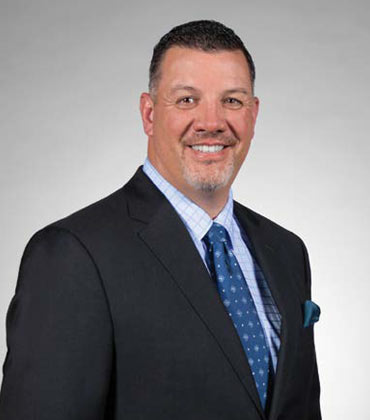
Mike Faulhaber
Planning Starts before the Strategy
When people hear "advanced planning," they often think about complex tax strategies, estate plans or sophisticated financial solutions. While those elements are important, advanced planning has taught me something even more valuable, how to ask better questions and listen more effectively.
Over the years, I've learned that the best solutions come from understanding what matters most to a client before discussing strategies. Every situation is unique. Sometimes the conversation starts with retirement planning, a business transition or concerns about family. The technical aspects of planning are important, but they only have value when they support a person's goals, values and priorities. That mindset has shaped the way I approach business development as well. Building strong relationships starts with understanding people and helping them find solutions, not selling to them.
Choosing Long-Term Trust over Short-Term Transactions
Throughout my career, I've focused less on transactions and more on creating long-term partnerships. The strongest business relationships I've developed were not built in a single meeting or through one successful outcome. They were built over time through consistency, trust and a genuine desire to help others succeed. Clients and professional partners have countless options today. What they remember is whether you listened, followed through on your commitments and helped them navigate important decisions.
One of the biggest challenges for any leader is balancing immediate demands with long-term goals. We all have objectives, deadlines and priorities that require our attention. Those things matter. At the same time, I've learned that short-term decisions should never come at the expense of long-term trust.
I often tell clients that part of my job is serving as a mediator between their current self and their future self. Every financial decision involves some trade-off between enjoying life today and taking care of tomorrow. My role is to help them find the right balance so they can enjoy the present while still giving their future self every opportunity to succeed.
Building strong relationships starts with understanding people and helping them find solutions, not selling to them.
I've found that when you consistently do what's right for clients, colleagues and partners, the results tend to take care of themselves. Not every opportunity needs to become a transaction today. Sometimes the best investment is strengthening a relationship, creating value or helping someone solve a problem without expecting anything in return. In the long run, those decisions often create the strongest foundation for growth.
Keeping the People in a Changing Profession
Looking at the financial services industry, I believe leaders should pay close attention to the growing demand for comprehensive advice. Clients increasingly want more than investment recommendations. They are looking for guidance that connects the different areas of their financial lives, including retirement planning, taxes, estate considerations, risk management and long-term legacy goals.
Technology and artificial intelligence are also accelerating change across our industry. These tools are creating opportunities to improve efficiency and deliver information more effectively than ever before. While that is exciting, I do not believe technology will replace the human element of our profession. People still want trusted advisors who can provide perspective, judgment and confidence when making important life decisions. Technology can enhance relationships, but it cannot replace them.
Leading by Helping Others Succeed
One leadership lesson that has had a significant influence on me is that leadership is far more about serving than directing. The most effective leaders I've worked with were not focused on being the smartest person in the room. They were focused on helping others succeed and allowing them to lean into their strengths and what they are best at.
As a leader, I've learned that investing in people creates benefits that extend far beyond any individual project or initiative. When individuals feel valued, supported and trusted, they are more likely to do their best work. Strong teams are built when leaders create opportunities for others to grow, contribute and succeed. People don't typically leave companies, they leave leaders, so having the right people in the right positions is invaluable.
For professionals beginning a career in financial services, my advice is simple, maintain a growth mindset, commit to learning, be willing to risk failure, ask questions and never underestimate the value of relationships.
Technical knowledge and competency are important and you should invest the time to develop them. However, expertise alone rarely creates a lasting career. Integrity, consistency, humility and genuine concern for others are what people remember. Seek out mentors, remain curious and commit yourself to continuous improvement.
Most importantly, remember that this is ultimately a people business. Markets will change. Products will evolve. Technology will continue to advance. But trust will always matter. If you build your career around serving others well, creating value and doing the right thing, you'll establish relationships and opportunities that endure far beyond any single business cycle.
