

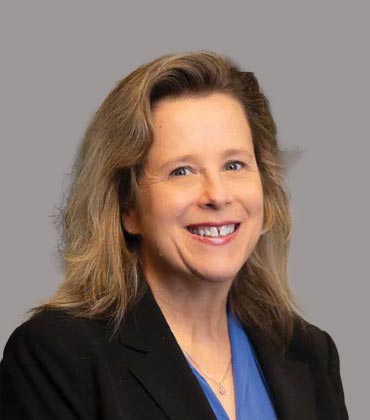
Jane Barrett
Building Workforce Trust through AI Transformation
It starts with recognizing where the business is headed and preparing the workforce to succeed in that environment. Currently, I believe that means helping employees adapt to a workplace that is now going to be centered around AI. I often think of AI as a force of nature. It arrived quickly, creating opportunities, challenges, excitement and uncertainty all at once. AI may be the “tornado”, but how you help your people navigate that storm is where strategy and success meet. HR has a critical role in helping employees develop the skills, confidence and adaptability needed to succeed as that transformation unfolds. In times of significant change, trust becomes the anchor. HR cannot influence change or drive sustainable business growth without earning the trust of your workforce. Employees want transparency and honest conversations about how technology may impact their roles. When leaders communicate openly, invest in development and create opportunities for employees to grow alongside the business, trust grows.
It is not about choosing growth over experience. It's about ensuring employees feel informed, valued and prepared for the future. When people trust their leaders, understand the organization's direction and believe they have a place in that future, they become active participants in the organization. That is where the business and the employee experience come together.
Developing Managers through Trust and Hands-On Coaching
My approach has always been centered on trust and leading by example. I use the word “trust” a lot because I believe it is the foundation of effective leadership. I've had the most success developing managers through regular conversations, coaching moments and spending time together in person. If I can model accountability, transparency, empathy and direct communication in my day-to-day interactions, managers can see what those behaviors look like in practice.
At the same time, I don't rely on modeling alone. I've incorporated formal training, group discussions and ongoing team conversations to help managers build their skills and confidence.
One thing that's especially important to me is being accessible. I tell managers they can call or text me after hours if they're dealing with a difficult employee situation or need guidance. Leadership challenges don't always happen between 8:00 and 5:00 and sometimes the most impactful coaching occurs in the moment.
Making Benefits Education a Year-Round Conversation
My philosophy is that benefits education should be an ongoing conversation, not a once-a-year event. Many employees do not fully understand how to fully use their benefits to support their financial and physical well-being. Benefits can be complex and I believe HR has a responsibility to make them easier to understand.
The best HR leaders understand the business, but they also never lose sight of the human side of the work.
I focus on using plain language, practical examples and educational opportunities throughout the year rather than limiting communication to open enrollment. Employees are more likely to make informed decisions when they understand concepts such as deductibles or health savings accounts. I've found that real-life examples and clear explanations are often more effective than simply providing plan documents or technical information.
Building Culture through Shared Experiences
It requires intentional effort. You cannot simply bring people together and expect a culture to form on its own. I compare it to a classroom on the first day of school. Most people don't know each other, everything is new and everyone is trying to find their place. Over time, people learn together, solve problems together and experience successes and challenges together. Relationships are built and culture begins to take shape. Culture is not created by policies, mission statements or values posted on a wall. It is built through consistent behaviors, shared experiences and the example set by leaders.
Safety culture is a good example. An organization does not become safe simply because it has safety policies. It becomes safe because leaders consistently communicate the importance of safety and actively contribute to it every day. Over time, that leadership becomes part of the culture. If you create an environment where people feel connected to one another, aligned around shared values and responsible for the success and well-being of the organization, then the inclusion will follow.
Embracing Discomfort without Losing Empathy
I am not sure I know anyone who grew up saying they wanted to work in Human Resources. Most of the HR professionals I know, myself included, found their way into the profession. Along the way, you'll hear all kinds of advice. My advice to emerging HR professionals, get comfortable being uncomfortable!
HR places you in the middle of some of the most rewarding and most difficult moments of people's lives. You'll hire people into roles that can change their careers. You'll also have to deliver messages people do not want to hear, have tough conversations and make decisions that impact someone's livelihood.
You cannot avoid those uncomfortable moments. You lean into them with empathy, honesty and professionalism. You must be willing to have the conversations others may avoid and help managers learn how to do the same.
HR has a very real impact on people's lives and I never want to become so accustomed to the challenging parts of the job that I stop recognizing the human impact. If I ever become comfortable delivering difficult news without appreciating what it means to the person receiving it, then it's probably time to rethink my role.
Ultimately, people leadership starts with remembering that people are people, not processes or tickets. Every situation has context. Every person has a story. The best HR leaders understand the business, but they also never lose sight of the human side of the work. That's what makes the profession meaningful and that's what makes leaders effective.
