

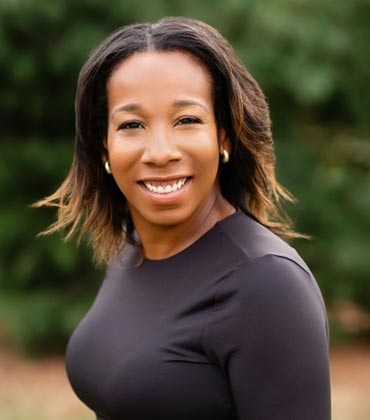
Hilary Butler
Turning Consumer Insight into Brand Growth
My career has taught me that great brands are built at the intersection of consumer relevance and commercial discipline. I’ve had the opportunity to work across beverage alcohol and CPG, from product development and P&L management to brand strategy, retail, digital, DTC and trade marketing. That breadth has shaped how I approach brand building. I start with the consumer, but I never lose sight of the business.
I believe the best marketing strategy answers three questions: What does the consumer need in the dynamic culture today? What can our brand uniquely own and truly be distinctive or memorable? And how do we turn that opportunity into sustainable growth?
Consumer insight is the starting point, not the finishing point. I want to understand not just what consumers say they want, but what they actually do. How they shop, what occasions matter to them, what barriers get in the way and what makes a brand feel relevant in their lives.
At McBride Sisters Wine Company, for example, I use consumer, customer and market insights to help reposition the McBride Sisters Collection brand with a more outward, ownable platform that could resonate with both consumers and the trade. Ultimately, my goal is to turn insight into action. A great insight sitting in a presentation doesn't build a brand, but what matters is what you do with it.
Balancing Brand Authenticity with Consumer Expectations
I don't believe authenticity means a brand has to stay exactly the same. Authenticity is knowing what should never change and being willing to evolve everything around it. The strongest brands have a clear point of view, purpose and personality. Those are the anchors. But how a brand expresses itself should evolve as culture, consumers and the marketplace change.
That is especially important in beverage alcohol, where brands increasingly compete not just on what's in the bottle, but on identity, experience, occasion and cultural relevance. I try to protect the brand's core while continually asking: Is this still meaningful? Is it still distinctive? And are we showing up where today's consumer actually lives? That balance is what allows a brand to feel contemporary without feeling like it is chasing a trend.
Navigating the Trends Shaping Beverage Marketing
I see three major shifts.
The first one is the continued convergence of brand and commerce. The consumer journey is no longer linear. Discovery can happen through social, a creator, a retailer, a restaurant or a brand's own website and the path to purchase can happen almost immediately. Marketers will increasingly need to think about awareness, consideration and conversion as one connected ecosystem and not a funnel.
The second one is the rise of culturally relevant storytelling and community. Consumers want brands that give them something to participate in, not simply something to purchase. In wine especially, there is an enormous opportunity to make the category more approachable, social and inclusive by focusing on discovery, experiences and the people and occasions surrounding the bottle.
The growing importance of distinctive brands in an increasingly crowded marketplace is the final shift. AI is a great tool and should not be seen as a concern. It can help us target consumers more effectively, but it cannot replace a compelling brand idea. As marketing becomes more automated, the brands with the clearest point of view and the most human stories will stand out.
Advice for Emerging Marketing Professionals
Early in my career, I thought becoming a great marketer meant becoming an expert in sales and customer insights. Over time, I've learned that the strongest marketers understand the entire ecosystem: product, finance, sales, operations, retail, culture and the consumer.
I would also tell emerging marketers not to be afraid to take the less obvious opportunity. My career has moved across product, sales, brand management, CPG and beverage alcohol, and each experience gave me a different lens on how businesses grow. Those seemingly unrelated experiences ultimately became a competitive advantage.
And finally, don't get too attached to one definition of success or one version of yourself. Careers evolve. Industries change. Brands change. We change. The ability to keep learning, stay close to what people need and reinvent yourself when necessary is one of the most valuable skills a marketer can develop.
You don't have to have your entire career figured out. Build expertise, stay open, do work you're proud of and keep finding the next thing you're excited to learn.
