
Thank you for Subscribing to Business Management Review Weekly Brief


Business Management Review: Speials Magazine
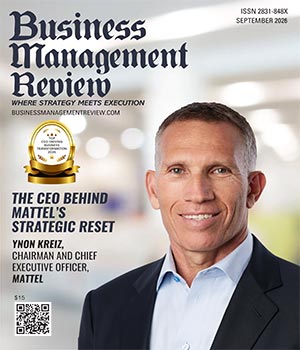
Ynon Kreiz
The CEO Behind Mattel's Strategic Reset
The most challenging corporate transformations are seldom about creating something totally new from scratch. When Ynon Kreiz took over as Mattel’s Chairman and CEO in 2018, he inherited one of the world’s most recognizable toy businesses at a difficult moment. Sales were under pressure, operations were complex and the company was navigating a rapidly changing consumer and entertainment landscape. The challenge was not simply to improve performance. It was to reconsider how an established toy manufacturer could compete as brands increasingly moved across screens, digital platforms and new forms of consumer engagement. From Turnaround to Execution Kreiz’s tenure at Mattel began with an emphasis on stabilizing operations. The company went through comprehensive restructuring aimed at reducing costs and strengthening accountability. During a 2023 interview with Fortune, Kreiz said Mattel had achieved more than USD 1.2 billion in cost savings over five years, including more than USD 1 billion during the first three years of its restructuring. This restructuring was tough, but it provided the operational platform for other strategic initiatives. As the business stabilized, the focus shifted toward expanding the potential of Mattel’s existing brands beyond their core products and into intellectual property and franchises. Managing Brands as Franchises Mattel, under Kreiz, has increasingly positioned itself as an IP-driven play and family entertainment company. With this approach, the focus shifted to generating value through films, television, games, licensing, publishing and live experiences while continuing to support the core toy business. This changed the way that Mattel looked at its portfolio. Brands such as Barbie, Hot Wheels, Fisher-Price, American Girl, Masters of the Universe, UNO and others were more than brands on store shelves. They represented characters, stories and established intellectual property that could create new opportuni
Business Consulting
Purolator International provides domestic and cross-border logistics services, combining transportation, customs brokerage, and final-mile delivery in a single operating model. Supply chains are shifting. Nearshoring is shortening routes. Tariffs and trade policy are changing sourcing decisions. Delivery expectations continue to tighten. These pressures are forcing companies to rethink how goods move into, out of, and across Canada. Purolator International works with clients to adjust network design, transportation modes, and sourcing strategies. This includes evaluating trade lanes, modelling cost scenarios, and aligning delivery performance with business requirements.
Supply Chain
In a marketplace crowded with sleek presentations and glossy claims, Carpedia International has built a reputation as one of North America’s most consistently effective management consulting firms. It doesn’t propose transformation through reports or insights alone. Carpedia claims measurable, meaningful operational change—and delivers it. Time after time. Industry after industry. So why haven’t more people heard of them? That question cuts to the heart of Carpedia’s story. Unlike larger firms whose brands do the selling, Carpedia has sustained controlled growth of double digit CAGR over 30 years through results. Nearly all of its business comes from repeat engagements or referrals. Clients come back because what Carpedia offers is rare: transformation that doesn’t end in the boardroom; transformation that happens in real time, with real people. President Daniel Lee explains it best with a simple analogy: "Everyone knows how to lose weight. Eat healthier. Exercise more. But most people don't. Not because they don't know what to do, but because change is hard. It's time-consuming. It requires sustained effort and support. We've built our entire consulting model around that truth."
Business Consulting
Creating Long-Term Business Value through Trust and Execution
Andy Wu, SVP of Business Development, RESICAP
Business Coaching
Aligning Business Strategy, People and Processes to Improve Organizational Performance
Walter C. Jordan, MBA, Senior Director of Risk Management, Premier Transportation
Business Risk & Compliance Management
The New Shape of Risk in Marketing
Alicia Holt, Director of Marketing Strategy, Progressive Insurance
Leadership Development
Building Revenue Growth Through People, Perspective and Purpose
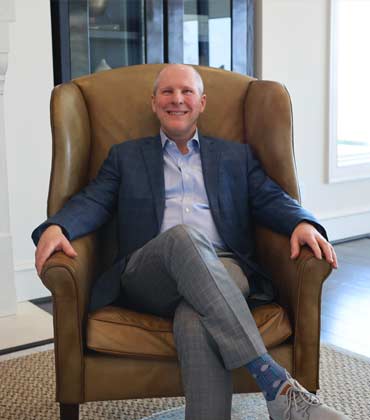
Joe Barrow, VP Sales, Marketing & Revenue, Kingsmill Resort
Supply Chain
Supply Chain & Logistics: Staying Agile in an Ever-changing Technological Landscape
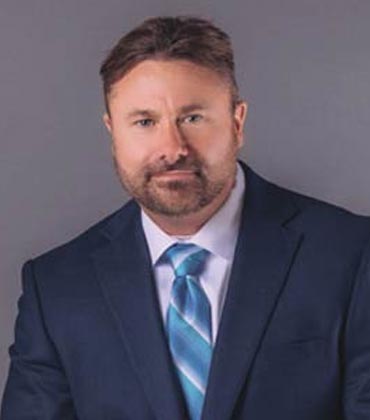
Ray Polentz, Vice President of Supply Chain and Logistics, Yokohama Tire Corporation
IN MY OPINION
Leadership Development
Rethinking the Link Between Training and Learning Culture
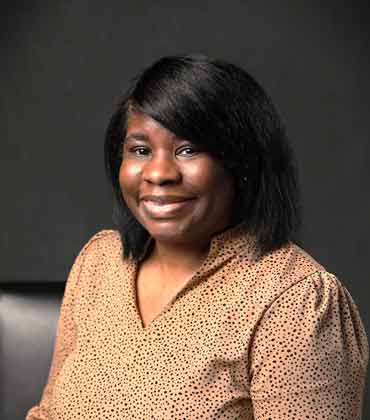
Kaleb Willis, Director of Learning and Development, National Nail Corp
LAST WORD
Business Coaching
Building Relationships That Drive Hospitality Success
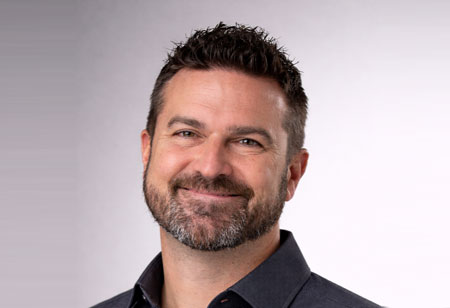
Jason Campbell, Senior Vice President - Corporate and Business Development, RED Hospitality & Leisure
IN FOCUS

Business Resource Solutions: Building Flexible and Efficient Operations
Business resource solutions help organizations improve efficiency, decision-making and adaptability through effective planning, technology support, workforce management and streamlined operations.
EDITORIAL
The Decisions That Shape What Comes Next
Business transformation is often associated with sweeping strategic change, but lasting progress is more often shaped by a series of deliberate decisions. Leaders must determine what to preserve, what to simplify and where to invest for the future. Across industries, transformation takes different forms, from reshaping global brands and supply chains to strengthening claims management and building organizational capability.
Our cover story features Ynon Kreiz, Chairman and CEO of Mattel, recognized as the Top CEO Driving Business Transformation 2026. When Kreiz took over, Mattel first needed to strengthen its operational foundation. He led a restructuring that simplified the business and created room for a broader strategic shift. From there, Mattel began treating brands such as Barbie, Hot Wheels and UNO as intellectual property that could reach audiences through entertainment, digital platforms and other consumer experiences.
Also recognized is Purolator International as the Top Supply Chain Solutions 2026. The company helps clients rethink transportation networks, sourcing strategies and trade routes around changing business requirements. Ron Schoeneman, President and CEO of A. Schoeneman & Co., recognized as the Top CEO Driving Strategic Claims Management 2026, combines decades of claims expertise with a hands-on, technology-enabled approach while maintaining the personal advocacy that has shaped the family business.
The issue also presents two perspectives on effective management. Kaleb Willis, Director of Learning and Development at National Nail Corp, argues that organizations should measure learning by the capabilities and business outcomes it creates rather than course completion alone. Jason Campbell, Senior Vice President of Corporate and Business Development at RED Hospitality & Leisure, explores how integrity, awareness and long-term relationships can create opportunities and lasting value.
Transformation is rarely the result of a single initiative. It emerges through the decisions leaders make, the capabilities they build and the discipline they bring to execution. The stories in this issue reflect how clear strategy, strong relationships and organizational capability can help businesses adapt while preparing for what comes next.
